
Attorneys Explain What’s ‘Puzzling’ About Michael Oher’s Conservatorship Filing and What’s Next
Oher, whose life inspired ‘The Blind Side,’ revealed last week that he was never adopted by the Tuohy family but instead placed into a conservatorship
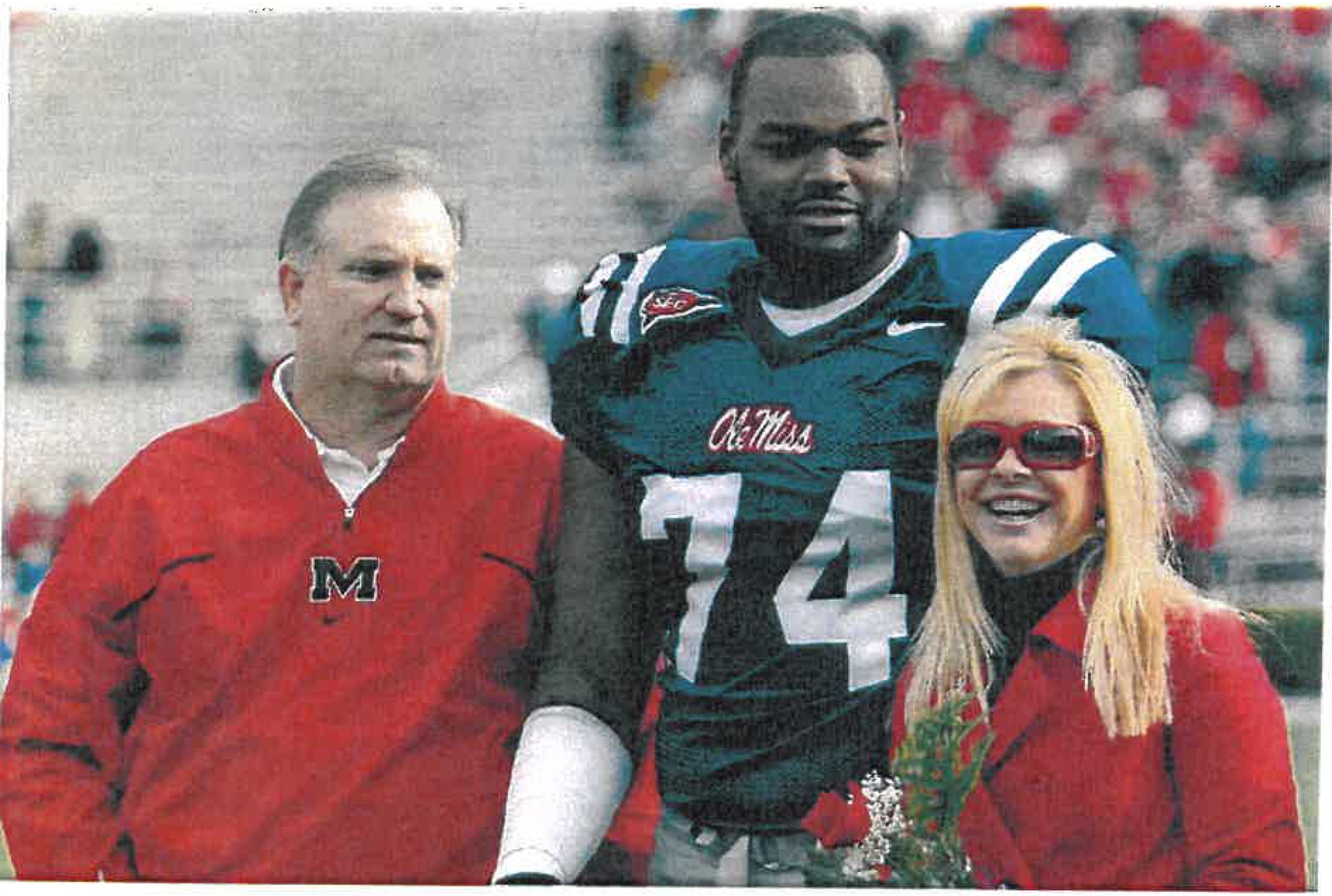
Last week, former NFL player Michael Oher, whose life story inspired the Oscar-winning film The Blind Side, filed a legal petition that stated he was not actually adopted by the family who once took him in as a teenager but rather placed into a conservatorship which he alleges allowed them to profit from his story. He requested that the conservatorship be ended.
Oher, now 37, was placed into a conservatorship at 18 and had no physical or mental disabilities when the conservatorship was put in place, per the 2004 conservatorship order obtained by PEOPLE.
“That’s puzzling,” Stewart Crane, an attorney who has practiced conservatorship law in Tennessee for 35 years, tells PEOPLE. “There is a procedure in Tennessee to adopt an adult, so why they chose to go that route for conservatorship is kind of a little puzzling to me.”
Ronald Nevin, another Tennessee-based attorney who has practiced conservatorship law since 1972, says the legal filing from 2004 that gave the Tuohys conservatorship powers over Oher is confusing both in its premise and in how it’s written.
“That’s not typical,” Nevin says. The attorney points out the 2004 filing was for a conservatorship “of the person,” which usually only grants the conservators — in this case, the Tuohys — the power to make medical decisions for the person under the conservatorship — in this case, Oher.
Oher’s attorney alleges in the petition that the Tuohys had told him when he was 18 there was no consequential difference between being adopted and entering into a conservatorship.
But there is, local conservatorship attorneys explain.
“There’s a huge difference,” Nevin says. “No. 1, in an adoption you become an heir. [A conservatorship] doesn’t give any rights of inheritance, any way, at all.”
Nevin and Crane, the conservatorship attorneys, say courts typically follow up with conservators for an annual financial accounting for the person under the conservatorship, meaning the Tuohys should have filed an annual report of Oher’s finances with the Shelby County probate court. However, no public filings appear to exist.